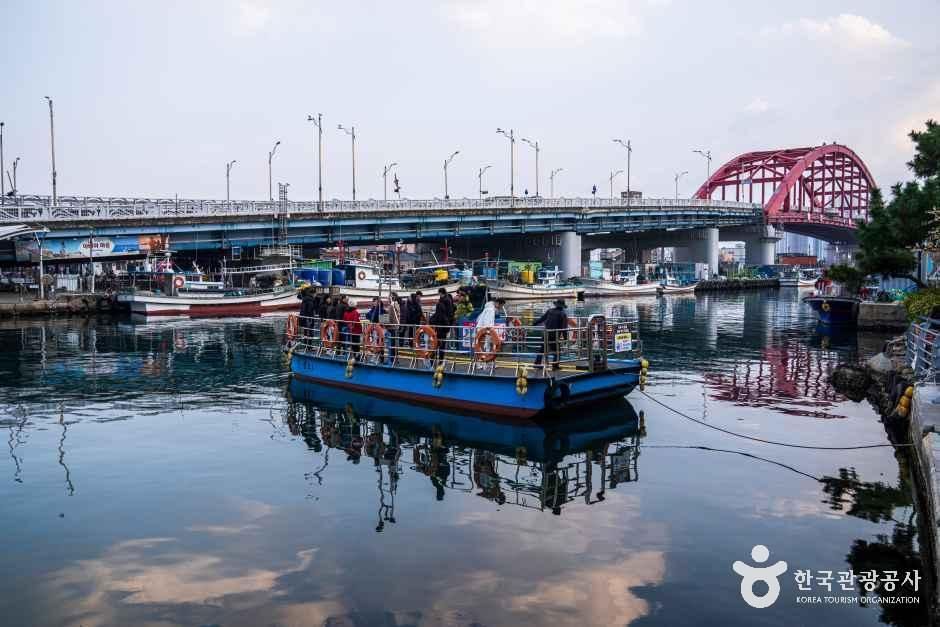
Sokcho Abai Village
속초 아바이마을
About
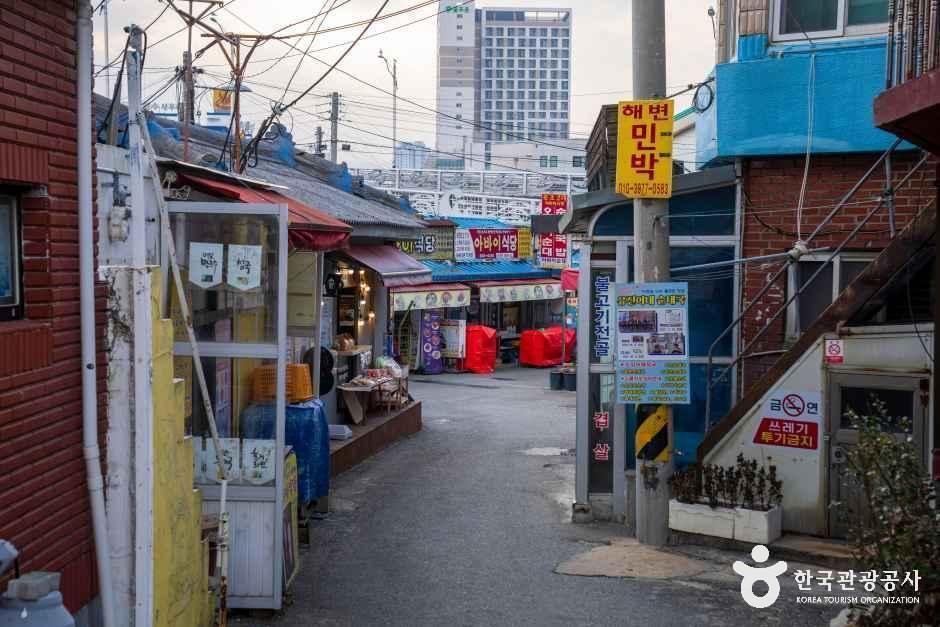
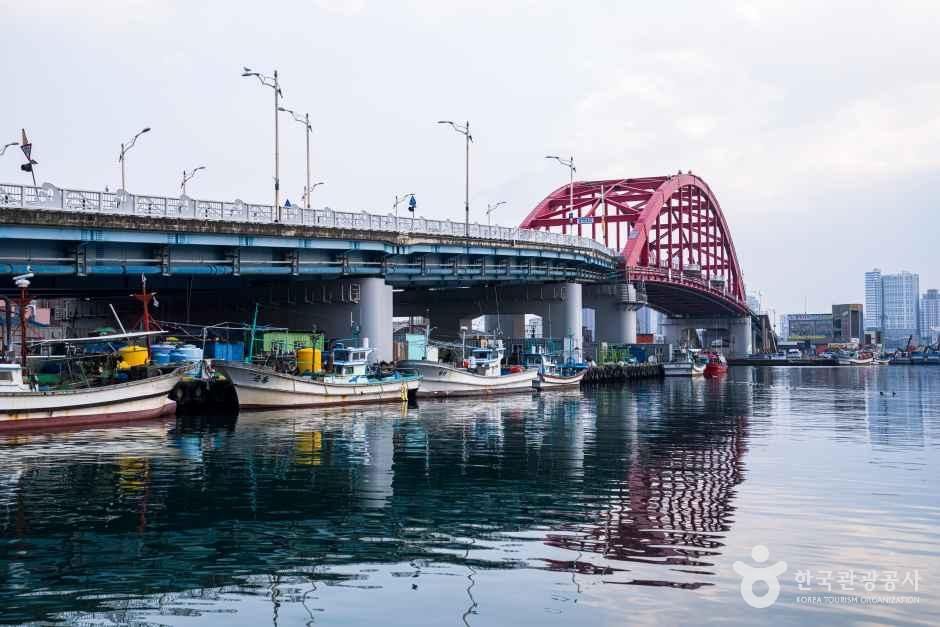
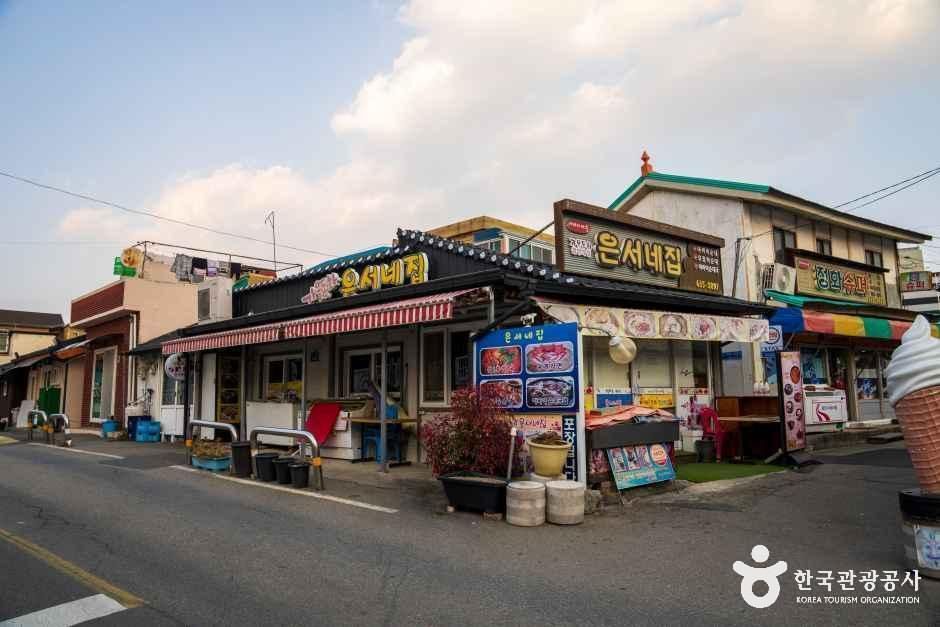
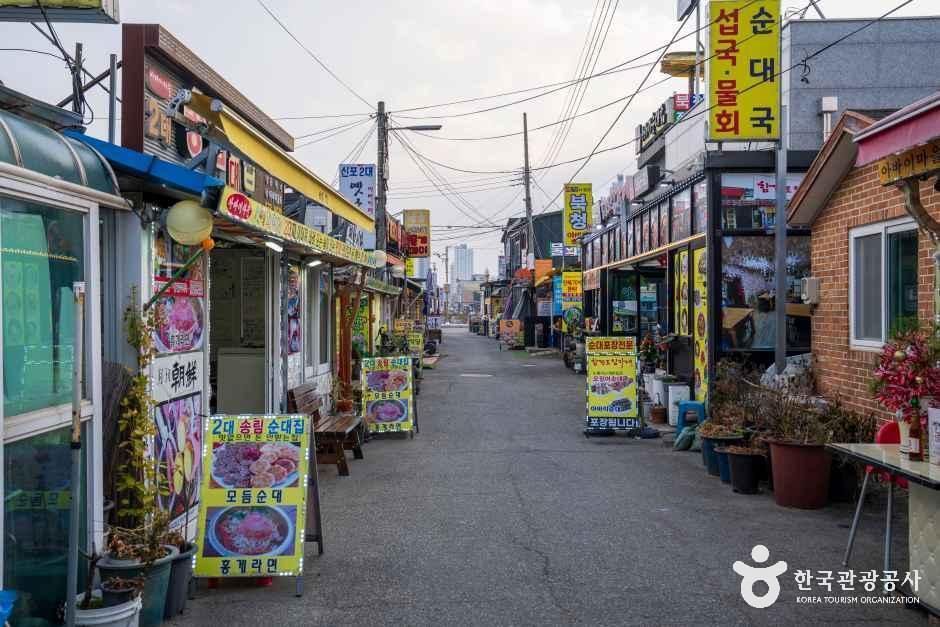
A displaced persons' collective village located in Cheongho-dong, Sokcho-si, commonly called Abai Village or Hamgyeong-do Abai Collective Village. Abai Village began in 1951 when displaced people from Hamgyeong-do, who had come south with the Korean military, formed a collective settlement. "Abai" is a Hamgyeong-do dialect term for an elderly man who is as familiar and friendly as a grandfather. Abai Village offers a glimpse into the lives and daily routines of the displaced people; although much of its old appearance has disappeared, a few shanty houses without front gates remain scattered along the alleyways, and murals expressing longing for their hometowns stretch along the walls. As Korea's only collective settlement of displaced people, Abai Village is a symbolic space of division and hope for reunification, where one can feel the harsh lives and sorrows of those who waited day by day to return home while fishing and doing odd jobs. The refugee houses built in the early days of Abai Village have been restored at the Sokcho City Museum's Displaced Persons' Cultural Village. After gaining fame as a filming location for the drama "Autumn in My Heart," Abai Village began attracting many visitors and established itself as a representative tourist destination in Sokcho. Along the nearby restaurant alley, Hamheung naengmyeon, squid sundae, and Abai sundae soup—along with other North Korean local cuisine restaurants and cafes—stand in a row.
- Nearest stations
- 속초시외버스터미널에서 시내버스
Machine-translated from Korean. It may contain errors — the Korean original is kept next to short entries.